
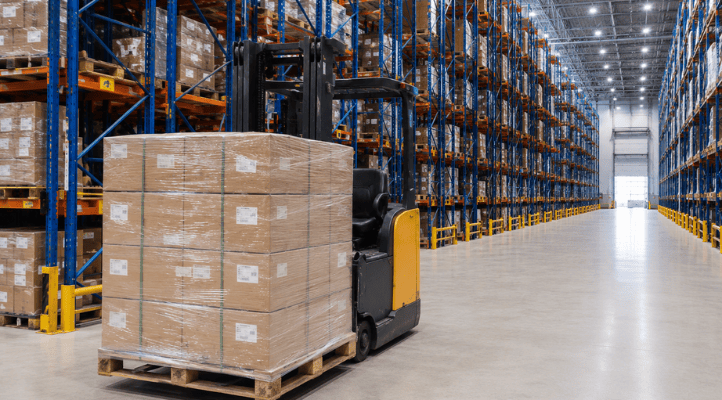
It is time to outsource warehousing when managing inventory, storage space and distribution internally begins to limit business growth, increase operational costs or impact customer service. Common signs include running out of warehouse capacity, struggling with inventory accuracy, spending too much time on logistics management or finding it difficult to scale during busy periods.
For many Australian businesses, warehousing starts as an in-house function. However, as inventory volumes grow and customer expectations increase, managing storage and distribution internally can become increasingly complex and expensive. Outsourcing warehousing provides access to dedicated facilities, established systems and experienced logistics support without the overheads of operating your own warehouse.
The key is recognising when warehousing is no longer supporting your business goals and when a specialist logistics partner can help improve efficiency, visibility and scalability.
Why Businesses Initially Manage Warehousing In-House
For startups and smaller businesses, handling warehousing internally often makes sense. Inventory levels are manageable, storage requirements are modest and operational complexity remains relatively low.
In the early stages, businesses may use:
- A small warehouse or factory space
- Shared storage facilities
- Commercial premises with storage areas
- Internal staff to manage inventory and dispatch
While this approach can work initially, growth often creates new challenges that internal resources struggle to support efficiently.
As inventory increases, warehousing becomes more than simply storing products. It requires accurate stock management, efficient processes and sufficient capacity to support customer demand.
Sign 1: You’re Running Out of Storage Space
One of the clearest indicators that it’s time to outsource warehousing is a lack of available storage space.
Businesses often reach a point where inventory begins overflowing into aisles, workspaces or temporary storage areas. This can create operational inefficiencies, safety concerns and inventory management issues.
Common warning signs include:
- Limited pallet storage capacity
- Difficulty accommodating incoming stock
- Reduced warehouse accessibility
- Increased handling times
- Congested storage areas
When storage limitations begin affecting productivity, outsourcing warehousing can provide immediate access to additional capacity without the cost and complexity of securing larger premises.
Sign 2: Inventory Accuracy is Becoming a Challenge
As stock volumes increase, maintaining accurate inventory records becomes more difficult.
Inventory discrepancies can result in stock shortages, over-ordering, delayed deliveries and frustrated customers. They also make forecasting and purchasing decisions significantly more challenging.
Signs of inventory management issues include:
- Frequent stock count discrepancies
- Difficulty locating inventory
- Inconsistent inventory records
- Unexpected stock shortages
- Excess stock sitting unused
Professional warehousing providers use structured inventory management processes to help businesses maintain visibility and control over stock levels.
Accurate inventory data supports better decision-making and creates greater confidence across purchasing, sales and operational planning.
Sign 3: Your Team is Spending Too Much Time on Logistics
Every hour spent managing warehouse operations is time that cannot be invested in growing the business.
Many businesses reach a stage where owners, managers and internal staff are dedicating significant resources to inventory management, storage administration and freight coordination.
This often leads to:
- Reduced productivity
- Operational distractions
- Increased labour costs
- Slower decision-making
- Limited focus on core business activities
Outsourcing warehousing allows businesses to shift operational responsibilities to experienced logistics professionals while internal teams focus on sales, customer service and strategic growth initiatives.
Sign 4: Business Growth is Creating Operational Pressure
Growth is positive, but it often exposes weaknesses in existing warehousing systems.
What worked when managing a smaller inventory range may no longer support increasing stock volumes, larger customer orders or expanded distribution requirements.
Businesses experiencing growth-related warehousing challenges often encounter:
- Slower dispatch times
- Storage constraints
- Increased handling requirements
- Greater inventory complexity
- Difficulty maintaining service standards
Outsourcing provides the flexibility to scale storage and logistics support without continually investing in additional warehouse infrastructure, equipment or labour.
Sign 5: Seasonal Demand Creates Capacity Problems
Many industries experience significant fluctuations in inventory requirements throughout the year.
Peak trading periods, promotional campaigns and seasonal demand can place substantial pressure on warehousing operations.
Businesses that rely solely on internal warehousing often struggle to manage:
- Temporary inventory increases
- Short-term storage requirements
- Higher dispatch volumes
- Operational bottlenecks during peak periods
A warehousing partner can provide scalable storage solutions that adapt to changing business requirements, helping maintain operational performance during busy periods.
Financial Benefits of Outsourcing Warehousing
Many businesses initially view outsourcing as an additional expense. In reality, it can often reduce overall operational costs.
Managing a warehouse internally involves ongoing expenses, including:
- Facility leasing costs
- Warehouse maintenance
- Equipment purchases
- Labour expenses
- Inventory management systems
- Utilities and operating costs
Outsourcing enables businesses to access professional warehousing infrastructure without carrying the full financial burden of ownership and operation.
More importantly, it converts many fixed warehousing expenses into a scalable operational cost that aligns more closely with business activity.
Why More Businesses in Victoria Are Outsourcing Warehousing
Across Melbourne and Victoria, businesses are increasingly recognising the value of partnering with specialist warehousing providers.
Rather than investing heavily in facilities, labour and infrastructure, organisations are choosing flexible warehousing solutions that support growth while improving operational efficiency.
The benefits often include:
- Improved inventory control
- Greater storage flexibility
- Reduced operational complexity
- Better scalability
- Enhanced supply chain visibility
For many businesses, outsourcing is no longer simply a cost-saving decision. It has become a strategic move that supports growth, customer service and operational resilience.
TW Logistics Supports Growing Businesses
At a certain point, warehousing shifts from being a simple operational function to a critical component of business performance. When storage limitations, inventory challenges or growth pressures begin affecting efficiency, outsourcing can provide the support needed to regain control and create capacity for future expansion.
TW Logistics provides secure full pallet warehousing solutions designed to help businesses manage inventory more effectively while supporting reliable distribution outcomes. With a focus on operational efficiency, inventory visibility and scalable storage solutions, We help businesses reduce complexity and maintain supply chain performance as they grow.
Whether you’re experiencing storage constraints, preparing for growth or looking to improve inventory management, our team can help you identify a warehousing solution that supports your long-term business goals in Melbourne, get in touch with TW Logistics today.